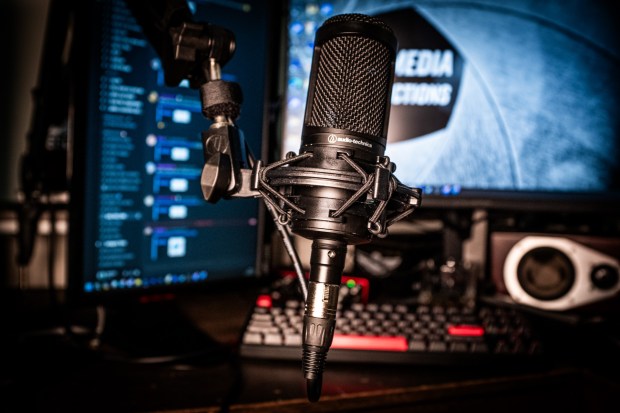
The Audio Technica AT2020 is a $100 Cardioid Patterned Condenser microphone that has been recommended for years as one of the best microphones to get for podcasting and streaming without breaking the bank. But the microphone market has a tone of competition in this space, and you can spend a little more money and get a higher end microphone, or you can save a buck by going to USB instead. So, the question is, should you buy the AT2020.
I’ve been using the AT2020 for months now and my overall impression is this is a good microphone. It provides clean audio assuming you have the setup for it, it’s built like a tank with a full metal body along with a metal grill around the capsule and for those it matters to it looks the part of being professional piece of equipment.
Who Should Buy An AT2020?
This mic isn’t for everyone though. Professional musicians, broadcasters and those with more decerning audio pallets (audiophiles) might need a microphone with a higher level of sophistication. That’s just a politically correct way of saying some people are picky about the way their mics sound but that isn’t an invalid reason to choose one mic over another. But finding the perfect sounding mic for an application typically comes with a more expensive price tag and as such makes this mic becomes a very compelling option for folks who are getting into their first serious audio upgrade and haven’t fallen down the rabbit whole of critical listening and the curse of all those who venture into the world of professional audio have suffered.

AT2020 Specs and Features
As previously mentioned, this mic is a cardioid patterned condenser mic meaning to get the best results you need your audio source to be directly in front of the mic which in this case is indexed by the Audio Technical logo. I can’t tell you how many times I’ve seen people talking into the top of this mic and I just have to cringe knowing that isn’t the optimal way of using it.
Also because it is a Condenser Mic it requires the use of 48 volts Phantom Power to run so you’ll need an interface, mixer or recorder that supports that. Luckily there aren’t many products in those categories that I’m aware of that don’t include Phantom Power today but it’s still something to be aware of.
For frequency response the AT2020 sits at 20hz-20khz. (Surprise! A naming convention that makes sense) This means that the mic should pick up the average frequency range of human hearing without any problems.
It has an Open Circuit Sensitivity of -37db and maximum input sound level 144db. For those who aren’t audio engineers (An most people looking to buy this mic won’t be) that basically means that most interfaces and recorders should be able to run this mic well if they provide phantom power and have decent preamps.
Recorders and Interfaces to Pair With the AT2020

I have run the AT2020 through a Focusrite Scarlett and a M-Track Duo when streaming, conducting remote meetings and recording Voice Overs. I’ve also used used it with a Zoom H6 field recorder for videos and podcast. It has worked great in all scenarios. With that being the case you can expect that more reputable brands of interface and recorder should be able to use this mic without issues.
The use of an interface does highlight one of the main considerations you have to make if you’re a first time XLR microphone buyer. You do need to budget for other peripherals to get the best out of it. An interface, a quality XLR cable, and a mic stand will get you started no problem, but I would highly recommend getting a shock mount as well as a pop-filter to get the best out of the AT2020 and if I’m being honest should be an investment you make regardless of the mic you use. The Mic does include a hard mount for a stand and Audio Technica sells shock mounts and pop filters/windscreens designed for the 2020 but you can also find third party options. Buyer beware when shopping for peripherals because while a lot of Amazon and AliExpress specials can be had for dirt cheap and will work well enough but they will likely have reliability and quality issues that make spending the extra cash for name brand worth it.
Unbeatable Value of the AT2020
In terms of the value of this mic, believe it or not when I got my microphones (I own 4 of these,) they were on sale on BH for under $80 and included a bonus 512 audio pop filter. I eventually went ahead of got pop filters more specifically designed for the mic but it goes to show that if you’re trying to build a podcast production you can get bundle of these mics for less than the cost of just 1 of the more premium mics on the market.
In terms of noise rejection, the mic does an okay job at only picking up what is directly in front of the mic. Obviously being in an acoustically treated room will help but those who don’t have the ideal recording space can still get decent results. Aspiring streamers and podcasters should be able to plug in and play this mic and see a significant improvement in audio quality over the internal webcam mic or even your bargain bin USB mic without too much fuss.
Final Thoughts on the AT2020
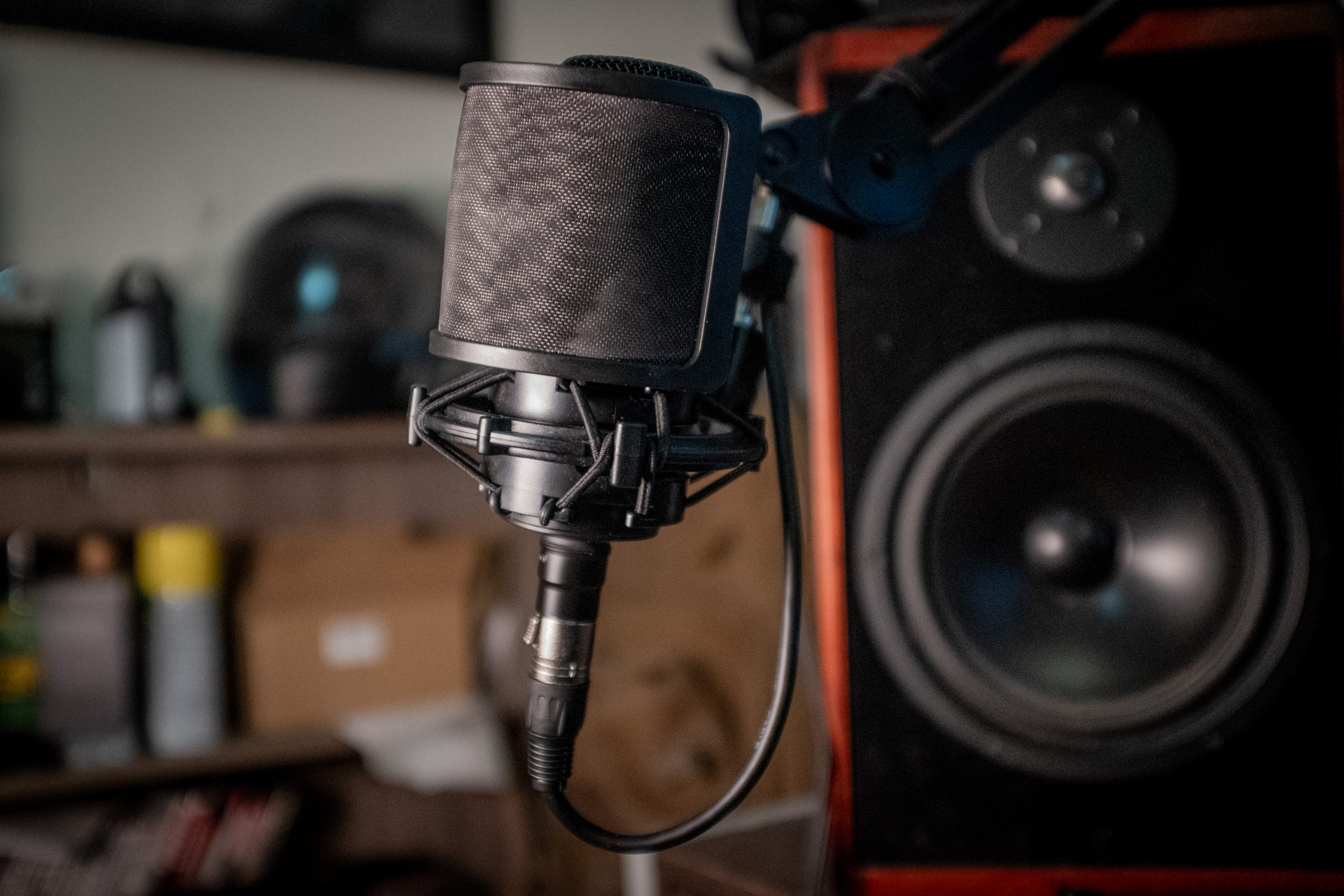
So my recommendation is that if you’re starting out on your podcast or streaming set up this mic is for you. If what you want is to have good audio quality out the gate getting this mic, a budget interface and the necessary peripherals will give you a solid setup for around $200. Now if you are on a tighter budget, they do make a USB version of the mic which you can find on sale for under $60 on amazon and is more beginner friendly but it’s likely going to make some compromises on sounds quality. But they are well reviewed on amazon, but I can’t really make a judgment because I’ve never used one.
If you’re trying to upgrade your audio game for content creation the AT2020 is a great center piece to build from.
 TCK-Media